Biochar has become a cornerstone material in agriculture, environmental management, and renewable energy applications. The type of biomass used is a critical factor in determining the efficiency and quality of biochar. Among various feedstocks, hard-shelled biomass such as palm kernels and coconut shells stands out as particularly suitable. Their physical characteristics and chemical stability ensure superior carbonization, operational efficiency, and long-term performance.
Consistent Carbonization and Product Quality
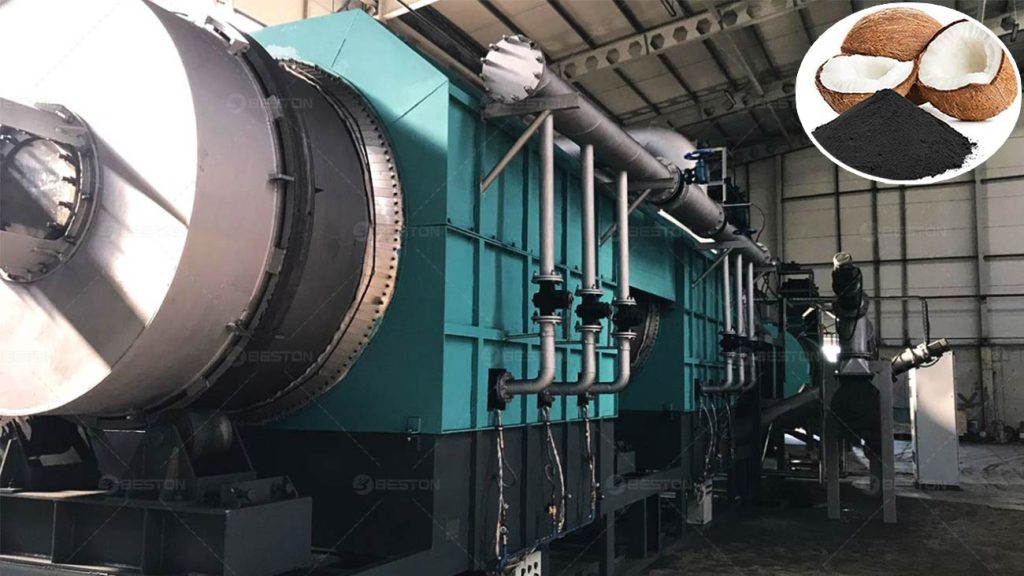
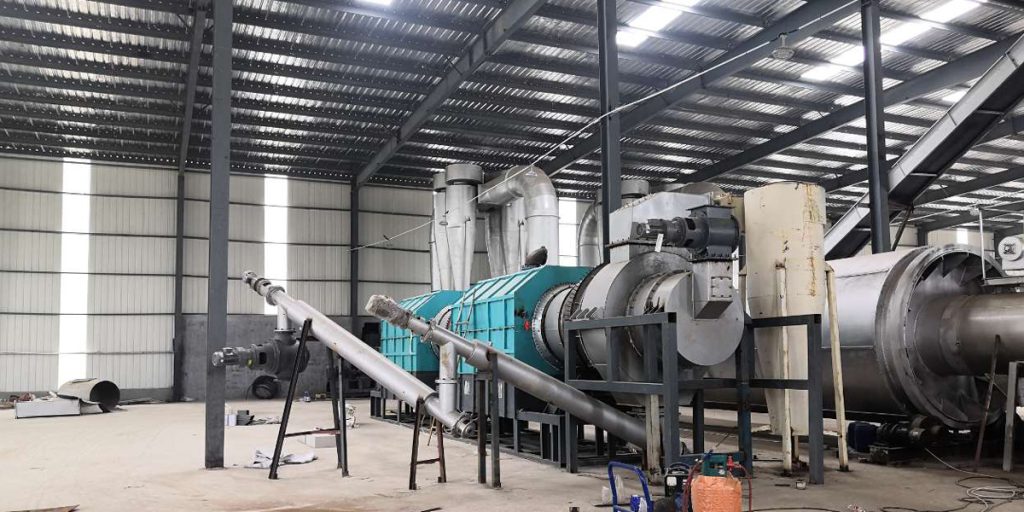
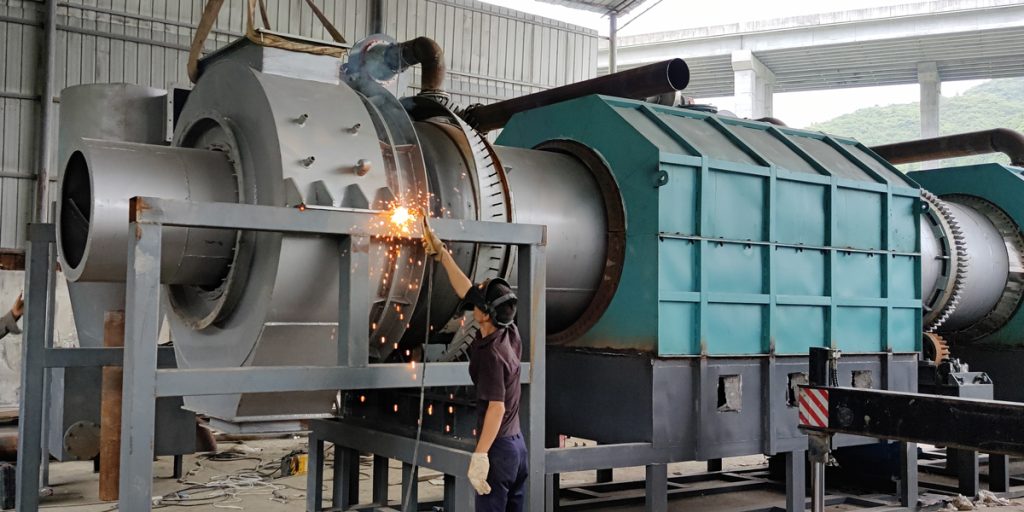
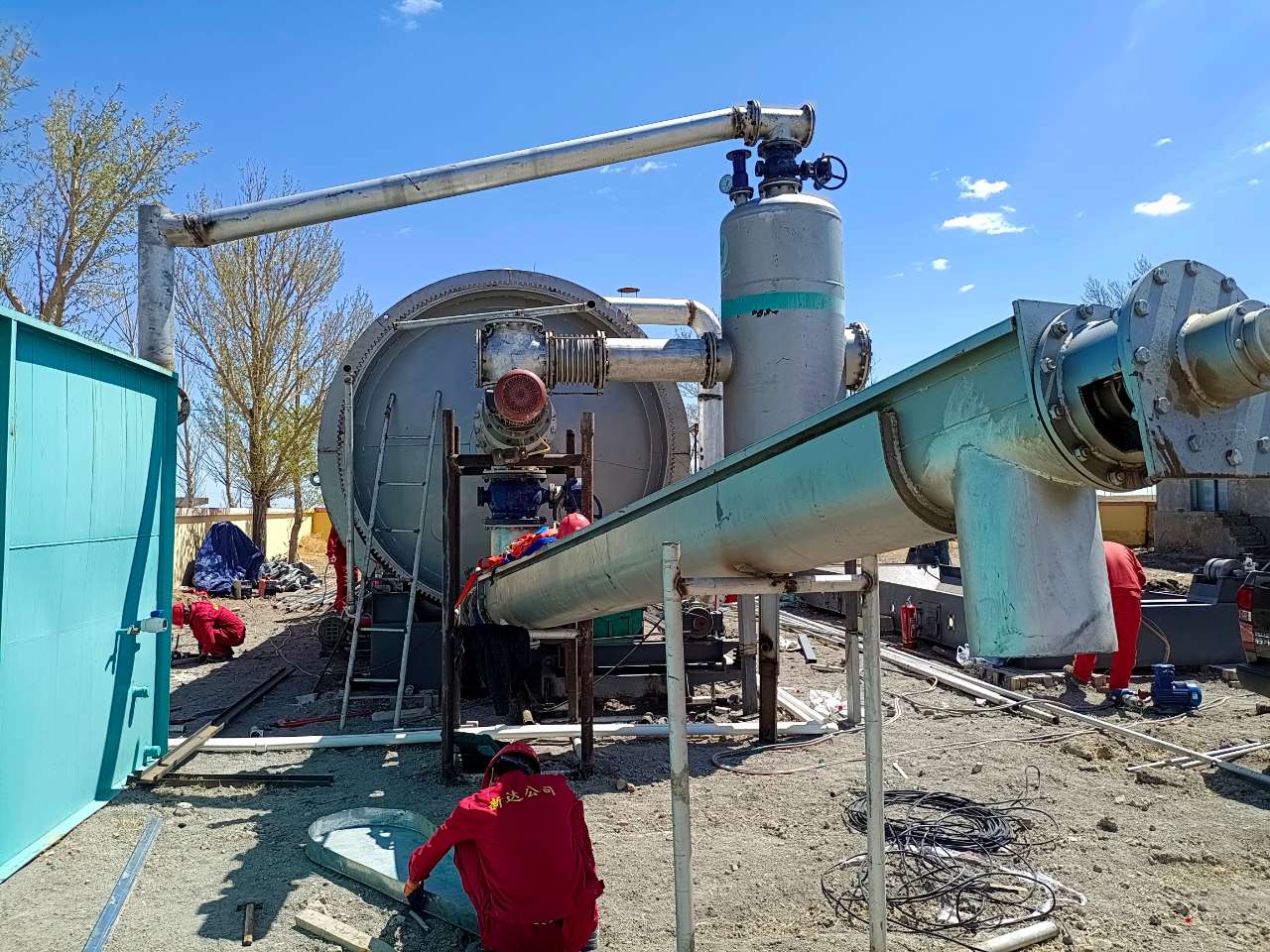
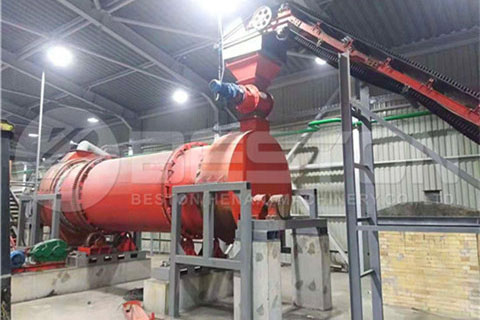
Hard-shelled biomass possesses a dense and resilient structure that allows heat to penetrate evenly during the pyrolysis process. This ensures uniform carbonization, resulting in biochar with consistent chemical composition and structural integrity. Using specialized equipment like a palm kernel shell charcoal machine or a coconut charcoal machine allows operators to achieve high-quality biochar production while maintaining efficient operation.
Low Dust Generation for Equipment Safety
One significant advantage of hard-shelled biomass is its minimal dust generation. Low dust production ensures that the feedstock does not block equipment or pipelines, preventing operational interruptions and reducing maintenance needs. When processed in modern biochar pyrolysis equipment, the biomass flows smoothly, ensuring a safer and cleaner working environment while consistently producing high-quality biochar.
Excellent Feedstock Flowability
Hard-shelled biomass also exhibits excellent flowability, allowing continuous feeding without clogging or interruptions. This property is crucial for industrial-scale operations, where large quantities of biomass must be processed efficiently. Plants designed by reliable companies utilize advanced feeding systems that leverage this flowability, ensuring steady operation and optimized biochar production.
High Energy Content and Carbon Yield
Dense hard-shelled biomass has a higher calorific value compared to softer feedstocks. This means that during pyrolysis, the material releases more energy, which not only contributes to carbonization but also produces combustible gases that can be reused within the plant. Using a palm kernel shell charcoal machine or a coconut charcoal machine, operators can maximize both biochar yield and energy recovery, improving overall economic efficiency.
Environmental and Agricultural Benefits
Biochar produced from hard-shelled biomass exhibits high porosity and surface area, making it highly effective in water retention and nutrient storage when applied to soil. Additionally, it contributes to carbon sequestration, helping mitigate greenhouse gas emissions. Consistent carbonization ensures that biochar produced in biochar pyrolysis equipment is reliable for agricultural, horticultural, and environmental applications.
Scalability for Industrial Applications
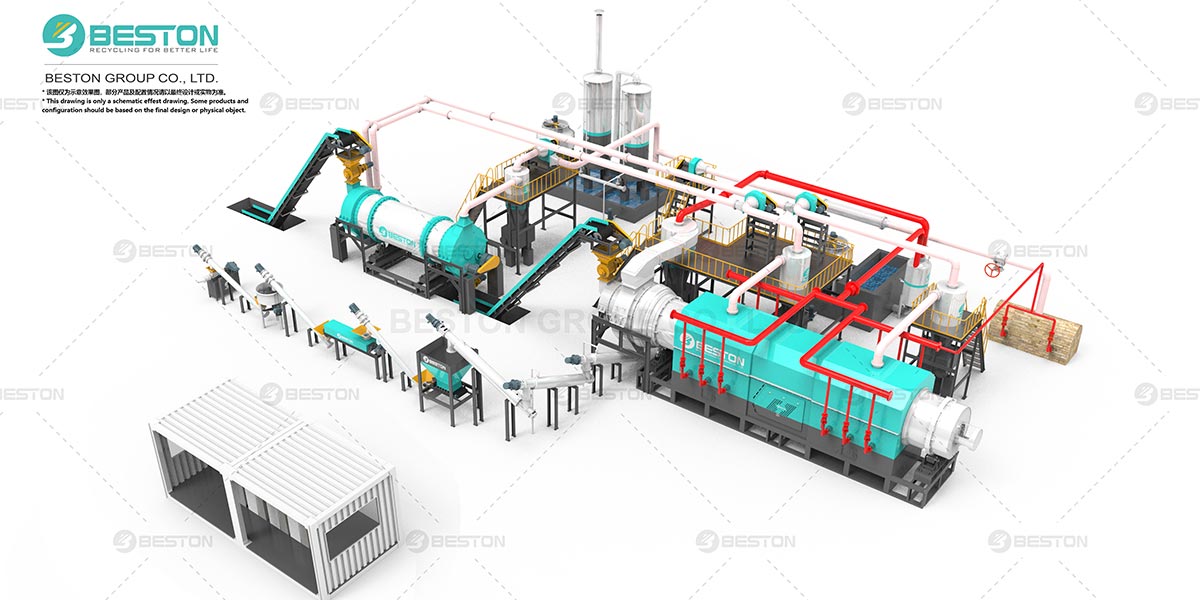
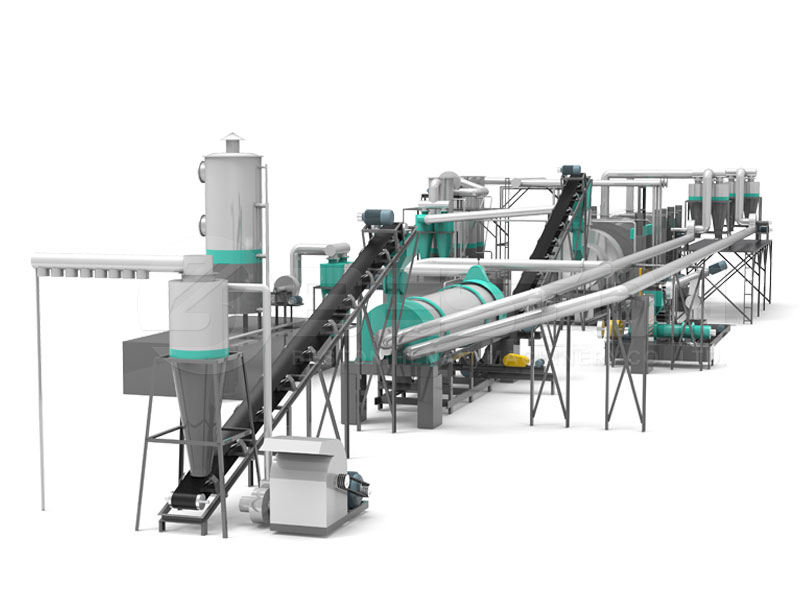
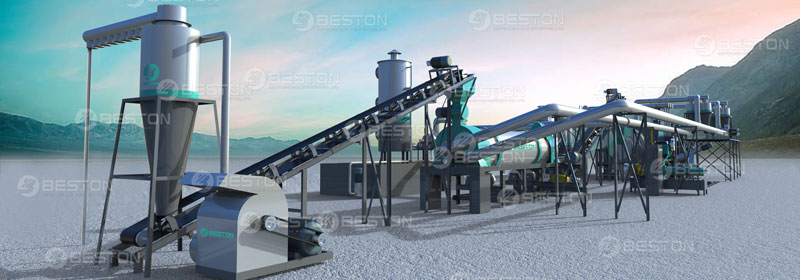
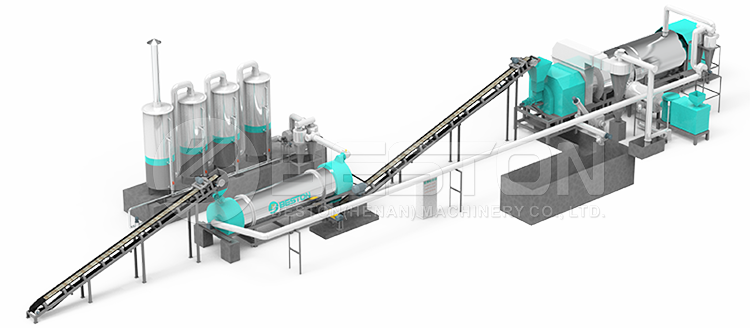
Due to its durability and uniformity, hard-shelled biomass is ideal for industrial-scale biochar production. Advanced equipment like palm kernel shell charcoal machine and coconut charcoal machine enables continuous, high-volume processing while maintaining product quality. Companies like Beston Group provide integrated solutions that handle feedstock management, pyrolysis, and product collection efficiently, allowing operators to achieve optimal performance and profitability.
Future Outlook of Hard-Shelled Biomass
As demand for sustainable and renewable materials grows, hard-shelled biomass is increasingly recognized as a premium feedstock for biochar production. Its combination of uniform carbonization, low dust generation, and good flowability makes it ideal for modern pyrolysis plants. Future developments in biochar pyrolysis equipment are expected to further enhance operational efficiency, energy recovery, and product consistency, solidifying hard-shelled biomass as a preferred choice for industrial biochar production.
Conclusion
Hard-shelled biomass offers unmatched advantages for biochar production. Its dense structure, low dust generation, excellent flowability, and high energy content ensure consistent, high-quality output. Utilizing advanced equipment like palm kernel shell/coconut charcoal machine enables operators to optimize production efficiency, environmental benefits, and economic returns. As biochar continues to gain importance in agriculture and sustainability, hard-shelled biomass remains the ideal feedstock for industrial-scale production.
The global push toward sustainable agriculture and renewable energy has created significant opportunities for innovative investors. Among these opportunities, biochar production has emerged as a promising sector that not only supports environmental goals but also provides potential long-term economic benefits. Understanding the process, technology, and market dynamics of biochar is crucial for anyone considering an investment in this growing industry.
Understanding the Biochar Market
Biochar is a carbon-rich material produced through the pyrolysis of biomass. Its applications range from soil enhancement to carbon sequestration, making it highly relevant in both agriculture and environmental management. As demand for eco-friendly agricultural practices grows, the market for biochar continues to expand, creating fertile ground for investors seeking sustainable opportunities.
Technology Behind Biochar Production
The production of biochar relies on advanced equipment that ensures efficiency, quality, and safety. Modern facilities often utilize a biochar production equipment for sale, which allows for continuous operation and optimized carbon yield. Choosing reliable technology is critical, as it directly affects the overall output, consistency, and profitability of the project.
Key Considerations for Investment
When planning a biochar production project, investors should evaluate several important factors. These include the availability and type of biomass feedstock, regulatory compliance, energy consumption, and potential revenue streams. For example, a biomass pyrolysis plant for sale can provide flexibility in processing different organic materials, offering diverse income sources beyond biochar alone.
Economic Benefits and Revenue Streams
Investing in biochar production can generate multiple revenue streams. Aside from selling high-quality biochar for agricultural use, byproducts such as syngas and bio-oil can be harnessed for energy production or industrial applications. Additionally, biochar projects may qualify for environmental incentives, carbon credits, or other sustainability-related funding, further enhancing potential returns.
Equipment Selection and Operational Efficiency
Choosing the right machinery is essential for a successful biochar venture. Factors to consider include processing capacity, automation features, and energy efficiency. Prospective investors often research charcoal making machine price to compare equipment capabilities and ensure the chosen setup aligns with production goals. Reliable suppliers and after-sales support are also crucial to maintain consistent operation and minimize downtime.
Choosing a Trusted Partner
Partnerships with reputable suppliers can make a significant difference in the long-term success of a biochar production project. Companies with proven experience in pyrolysis technology can provide guidance on installation, operation, and maintenance. Learning more about Beston Group and their track record may help investors make informed decisions and reduce potential risks associated with new technology adoption.
Future Prospects of Biochar Production
The outlook for biochar production is highly promising. With growing awareness of climate change, soil degradation, and sustainable farming practices, the demand for biochar is expected to increase steadily. Investors who enter the market early may benefit from both the environmental impact and economic advantages of scaling production efficiently.
In conclusion, biochar production offers a unique intersection of sustainability and profitability. By carefully evaluating technology, equipment, and market conditions, investors can create projects that not only generate financial returns but also contribute positively to environmental and agricultural development. Strategic investment in this sector can help support a greener future while opening new avenues for growth and innovation.
In the intricate tapestry of environmental conservation, biochar emerges as a silent yet powerful guardian, weaving its way into the very fabric of sustainable practices. As we grapple with the escalating challenges posed by climate change and deforestation, the role of biochar in preserving our forests and ecosystems becomes increasingly vital.
Unraveling the Biochar Tapestry
Biochar, a carbon-rich substance produced through the carbonization machine, represents a dynamic intersection of technology and ecology. Pyrolysis, the thermal decomposition of organic material in the absence of oxygen, gives rise to this black gold – a substance with immense potential in enhancing soil fertility and mitigating climate change.
The Biochar Symphony in Soil Enrichment
Picture the soil as a vast, intricate symphony where the harmonious interplay of microbes, fungi, and organic matter sets the tone for robust ecological health. Introducing biochar to this symphony orchestrates a transformative melody. The porous structure of biochar acts as a sanctuary, providing a habitat for beneficial microorganisms. This, in turn, promotes nutrient retention and water-holding capacity, fostering an environment conducive to plant growth.
In the realm of agriculture, the use of biochar from charcoal making machine transcends mere soil enrichment; it becomes a sustainable virtuoso, playing a pivotal role in carbon sequestration. As the biochar integrates with the soil, it becomes a reservoir for carbon, effectively removing it from the atmospheric equation. This dual benefit of enhancing soil fertility while curbing carbon emissions positions biochar as a cornerstone in our quest for sustainable land management.
The Ecological Ballet: Biochar in Forest Conservation
Forests, the lungs of our planet, face relentless threats from deforestation and climate change. Enter biochar, a stalwart defender in the ecological ballet of forest conservation.
When strategically applied to forest soils, biochar from biomass pyrolysis plant establishes itself as a guardian of biodiversity. Its porous structure, reminiscent of a microscopic fortress, shelters a diverse array of soil organisms crucial for the well-being of forest ecosystems. As deforestation disrupts these delicate ecosystems, biochar steps in, offering a refuge for the myriad organisms that call the forest floor home.
Moreover, the introduction of biochar to degraded forest soils acts as a regenerative tonic. It catalyzes the remediation of contaminated soils, reviving ecosystems that have borne the brunt of human activities. The remediation potential of biochar extends beyond mere soil healing; it extends a helping hand to water bodies affected by runoff, preventing the leaching of harmful substances into aquatic ecosystems.
The Carbon Ballet: Biochar’s Dance with Climate Change
In the grand theater of climate change, biochar takes center stage in the delicate dance of carbon dynamics. The very essence of biochar, born from the carbonization of organic matter, holds the promise of mitigating the impacts of climate change.
As a carbon sink, biochar locks away carbon in the soil for centuries, serving as a bulwark against the rising tide of atmospheric carbon dioxide. This not only aids in climate change mitigation but also fosters resilient ecosystems capable of weathering the storms of a changing climate.
The dance continues as biochar intersects with the concept of carbon-negative technologies. Through its production process, which involves the capture and utilization of pyrolysis byproducts, biochar emerges as a carbon-negative player, offsetting its own carbon footprint and contributing to the broader initiative of achieving a net reduction in atmospheric carbon.
Challenges and Opportunities: Navigating the Biochar Landscape
While the potential benefits of biochar are undeniable, navigating the landscape of its application requires a nuanced understanding of challenges and opportunities. One such challenge lies in the variability of biochar properties, influenced by feedstock and pyrolysis conditions. The solution? A concerted effort towards standardization and quality control, ensuring that biochar consistently delivers its intended ecological benefits.
Opportunities, however, abound. Research into tailored biochar formulations for specific ecosystems holds the key to optimizing its impact. By understanding the unique needs of different environments, we can unlock the full potential of biochar in promoting biodiversity, soil health, and climate resilience. For the latest updates and detailed information about biochar production equipment, search Beston Group.
In the ever-evolving landscape of agriculture, the quest for sustainable practices has become paramount. One such transformative solution gaining prominence is the production of wood charcoal for agricultural use. This process not only addresses concerns related to deforestation and soil degradation but also unlocks the potential for turning wood into agricultural gold. In this comprehensive exploration, we delve into the intricacies of wood charcoal machine, its impact on agriculture, and the sustainable practices that make it a valuable asset for farmers seeking prosperity and environmental balance.
1. The Essence of Wood Charcoal:
Wood charcoal is not just a conventional fuel source; it is a carbon-rich substance derived from the controlled heating of wood in the absence of oxygen. This transformative process results in a lightweight, blackened material with a high carbon content, making it an ideal candidate for enhancing soil fertility and crop productivity.
2. Sustainability at its Core:
The core of sustainable wood charcoal production lies in responsible forestry practices. Unlike traditional charcoal production methods that contribute to deforestation and environmental degradation, sustainable practices involve selectively harvesting trees, promoting afforestation, and ensuring the ecological balance of the forest ecosystem.
3. The Agricultural Goldmine:
Wood charcoal’s true value in agriculture lies in its multifaceted impact on soil health. Its introduction into the soil structure improves nutrient retention, enhances water-holding capacity, and acts as a long-lasting carbon sink. This combination creates an optimal environment for plant growth, fostering increased fertility and productivity.
4. Boosting Crop Yields Naturally:
The porous nature of wood charcoal serves as a unique habitat for beneficial microorganisms. These microbes play a pivotal role in nutrient cycling, making essential minerals more accessible to plants. Crops grown in charcoal-amended soil exhibit increased resistance to diseases and pests, leading to higher yields and a more robust agricultural ecosystem.
5. From Forest to Field: Charcoal Production Process:
The journey of wood to agricultural gold begins with meticulous selection and harvesting of trees. Sustainable forestry practices ensure that only mature trees are harvested, maintaining the overall health of the forest. The wood undergoes a controlled rice husk carbonizer, where it is heated in the absence of air, resulting in the production of high-quality charcoal.
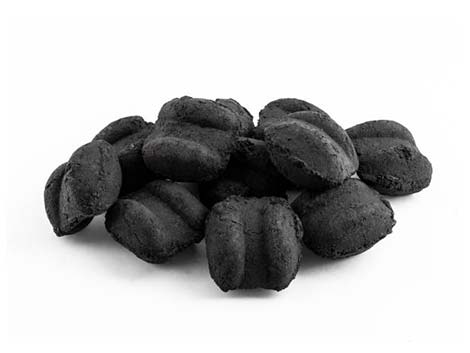
Square Charcoal Briquettes
6. Green Farming with Wood Charcoal:
The green farming movement emphasizes environmentally friendly practices, and wood charcoal aligns seamlessly with this philosophy. As a renewable resource, wood charcoal mitigates the environmental impact associated with traditional charcoal production. Its adoption offers a sustainable alternative for farmers looking to reduce their carbon footprint and contribute to the restoration of ecosystems.
7. Soil Enrichment through Charcoal:
Wood charcoal’s ability to enhance soil structure is a game-changer for farmers seeking sustainable agricultural practices. When incorporated into the soil, charcoal acts as a physical amendment, reducing compaction and improving aeration. This, in turn, promotes root development and nutrient absorption by plants.
8. The Carbon Sequestration Advantage:
Beyond its role in soil enrichment, wood charcoal serves as a significant carbon sequestration tool. As a stable form of organic carbon, charcoal resists decomposition and can remain in the soil for hundreds to thousands of years. This extended carbon sequestration period contributes to mitigating climate change by reducing the amount of carbon dioxide in the atmosphere.
9. Charcoal and Water Management:
In addition to its impact on soil structure, wood charcoal plays a crucial role in water management. The porous nature of charcoal allows it to absorb and retain water, reducing the risk of water runoff and erosion. This characteristic is particularly beneficial in areas prone to drought, where charcoal-amended soils can act as reservoirs, ensuring a more consistent water supply for crops.
10. The Economic Viability of Wood Charcoal Production:
The economic viability of wood charcoal production adds another layer of attractiveness for farmers. Charcoal production can be a source of additional income, especially in regions with abundant wood resources. By coupling sustainable forestry practices with efficient charcoal production, farmers can create a circular economy that benefits both the agricultural and environmental landscapes.
11. Community Engagement and Empowerment:
Wood charcoal production, when approached as a community-driven initiative, has the potential to empower local communities. This can involve training and employing community members in sustainable forestry practices and charcoal production, fostering a sense of ownership and responsibility toward environmental conservation.
12. Challenges and Mitigations in Charcoal Production:
While the benefits of wood charcoal in agriculture are substantial, there are challenges associated with its production. These challenges include the potential for overharvesting, inefficient production methods, and the release of harmful by-products during pyrolysis. However, these challenges can be mitigated through the implementation of sustainable harvesting practices, improved production technologies, and the proper management of by-products.
13. Innovations in Charcoal Production Technologies:
The field of charcoal production has seen significant innovations aimed at improving efficiency and minimizing environmental impact. Advanced pyrolysis technologies, such as slow pyrolysis and biochar production, offer more controlled processes that result in higher-quality charcoal while minimizing emissions. Beston Group China is always a great choice.
14. Biochar: The Advanced Form of Agricultural Gold:
Biochar, a specialized form of charcoal produced through pyrolysis, has gained attention for its enhanced agricultural benefits. Biochar not only improves soil fertility but also promotes microbial activity and enhances nutrient retention. Its porous structure provides a stable habitat for beneficial microorganisms, creating a synergistic relationship between the soil and plants.
15. Global Perspectives on Wood Charcoal in Agriculture:
The adoption of wood charcoal in agriculture is not limited to specific regions; it has gained global attention as a sustainable solution. From Sub-Saharan Africa to Southeast Asia and Latin America, farmers and researchers are exploring the potential of wood charcoal to address soil degradation, improve crop yields, and contribute to overall agricultural sustainability.
16. Regulatory Frameworks and Certification for Sustainable Charcoal Production:
To ensure the long-term sustainability of wood charcoal production, regulatory frameworks and certification systems play a crucial role. These mechanisms help establish standards for sustainable forestry practices, responsible harvesting, and environmentally friendly charcoal production. Certification programs, such as those provided by organizations like the Forest Stewardship Council (FSC), enable consumers to make informed choices and support environmentally conscious practices.
17. Case Studies: Successful Implementation of Wood Charcoal in Agriculture:
Examining case studies provides real-world examples of the successful implementation of wood charcoal in agriculture. These studies showcase the positive outcomes, challenges faced, and lessons learned by farmers and communities adopting wood charcoal as a transformative element in their agricultural practices.
18. Education and Outreach: Key Components of Adoption:
For widespread adoption of wood charcoal in agriculture, education and outreach initiatives are paramount. Farmers, communities, and policymakers need access to accurate information about the benefits of wood charcoal, sustainable production practices, and the long-term positive impacts on both agriculture and the environment.
19. Future Prospects and Research Directions:
As the agricultural landscape continues to evolve, ongoing research into the potential applications of wood charcoal remains critical. Future prospects include exploring additional benefits, such as carbon sequestration, mitigating greenhouse gas emissions, and addressing specific crop nutrient needs. Continued innovation in production technologies and the development of new applications for wood charcoal in diverse agricultural settings will further enhance its role as agricultural gold.
20. Conclusion: Cultivating Agricultural Prosperity with Wood Charcoal:
In conclusion, the transformation of wood into agricultural gold through sustainable charcoal production represents a promising avenue for addressing the challenges faced by modern agriculture. By embracing responsible forestry practices, efficient production methods, and community-driven initiatives, wood charcoal can contribute to soil enrichment, increased crop yields, and environmental sustainability.
Farmers, researchers, and policymakers must collaborate to integrate wood charcoal into mainstream agricultural practices. This journey requires a collective commitment to sustainability, education, and innovation. As we unlock the potential of wood charcoal, we not only cultivate agricultural prosperity but also sow the seeds for a greener and more resilient future for our planet.
Do you want to set up a biomass pyrolysis plant? It can be an intimidating process and there is certainly a lot of research that needs to be done before getting started. With the right knowledge and preparation, however, this enterprise could prove both profitable and beneficial for the environment, since it produces sustainable energy sources from organic matter such as wood, plants or crops.
Discover all the steps necessary for setting up your very own biomass pyrolysis plant – from initial planning to obtaining permits and licenses; from arranging top design teams to navigating environmental regulations – so that you’re armed with all the know-how needed for success.
1. Researching and planning for a biomass pyrolysis plant
Spending adequate time researching pyrolysis plants and the legal requirements for setting one up in a particular area is key. Begin by learning about the different types of biomass pyrolysis plants, such as fast pyrolysis for bio-oil and slow pyrolysis for biomass gasification. Also research the particular biomass resources available in the chosen location.
2. Obtaining permits and licenses
After conducting the necessary research and creating a plan for the plant, it’s time to apply for the permits and licenses that are required for the project. Depending on the location, this can include obtaining an environmental permit, business license and operating permit.
3. Designing the plant layout
The next step is to hire a team of qualified engineers and professionals to design the plant layout and technical specifications. The plant should include the necessary biochar maker for sale, such as an oxygen-free reactor, a condenser, a gasifier and a scrubber.
4. Arranging top design, engineering and construction teams
In order for the plant to run smoothly, it’s important to hire the best available design, engineering and construction teams. Look for professionals with experience in handling biomass pyrolysis projects and make sure they’re up-to-date on all the latest advancements in this field.
5. Navigating environmental regulations
Since this is a green energy project, there are certain environmental regulations which must be taken into consideration. Make sure that the plant meets all the necessary requirements in terms of emissions and resource use. Pay special attention to local zoning regulations, as these can vary from place to place.
6. Setting up the equipment for production
Once the design phase is complete and all the necessary permits and licenses acquired, the next step is to set up the equipment. This includes connecting it to the grid and making sure it is up and running properly. Make sure to also install safety equipment and have a maintenance plan in place. Get the charcoal making machine price 2023 here.
7. Establishing operational procedures and safety protocols
This step includes training staff on how to operate the equipment safely and setting up internal processes to ensure that the plant is running smoothly and efficiently.
8. Monitoring performance and maintenance of the plant
The last step is to monitor the performance of the plant, ensuring that it meets all its targets. Regular maintenance should also be conducted in order to maintain the integrity of the equipment and prevent any unforeseen incidents. This also includes monitoring emissions from the biochar production units and taking measures to minimize these as much as possible.
By following these steps, you’ll be well on your way to setting up a successful biomass pyrolysis plant and producing clean, sustainable energy.
It is easy and safer to use a charcoal briquette making machine to make charcoal briquettes on your own. It is, therefore, extremely important to purchase charcoal briquette making machine. It is easy to operate and has a long service life. And it is also easy to maintain and produces high-quality charcoal briquettes.
Charcoal Briquettes Making Machine
In this article, you will learn the importance of a charcoal briquette making machine:
1. Easy to Operate
A charcoal briquette making machine is a simple machine. You do not need to spend countless hours or even days learning how to operate the machine. The machine usually comes with a manual. You or your worker will just go through the manual. The manufacturer can even train you for free.
If you are not spending too much money on training, you can save some money. You will just purchase your charcoal making machine and use it immediately. People do not use invest in some machines because they are complex. It is difficult to use complex machines. You may need to hire an expert to operate your complex machines.
Anyone can operate a charcoal briquette making machine.
2. It is Affordable
It is easy to find affordable manufacturers of charcoal making machines. In fact, you can compare their prices before purchasing their machine. It is best to look for affordable machines. They are cheap to purchase. The manufacturer can offer you discounts.
Purchasing affordable machines can save you more money in the long term. You are more likely to quickly recoup your initial investments. If you can quickly recoup your investment, you can make more money with your machine. You, however, need to purchase a high-quality machine.
3. Protect the Environment
A charcoal briquette making machine can help you protect the environment. The biochar machine for sale does not release harmful gases into the environment. It does consume too much energy. And it converts waste materials into useful products. It can, therefore, help reduce environmental pollution.
Do not let waste materials accumulate on your property. Use your machine to convert them into useful products, such as charcoal briquettes. You can sell these products for a profit. If you have a small business, your machine can reduce your carbon footprint.
Square Charcoal Briquettes
4. Get Good Quality Charcoal Briquette
Investing in a charcoal briquette machine ensures you get a good quality charcoal briquette. The machine presses a wide range of raw materials into high-quality charcoal briquettes. It is not easy to produce the same quality of charcoal briquettes using other methods.
Producing quality charcoal briquettes can help you attract more customers. Your charcoal briquettes produce more heat. So, they might be better than the other fuels on the market. If you can easily sell your charcoal briquettes, you can make more money.
5. Low Maintenance Cost
The low maintenance cost of a charcoal briquette making machine can save you more money in the long term. If you are not spending too much money to keep your machine in top working condition, you can reduce your expenses. Reducing your expenses can increase your profits.
Additionally, the manufacturer can offer to maintain your biochar production equipment. So, the manufacturer can offer you a warranty. The warranty can include repairs and maintenance. The manufacturer can, therefore, reduce the cost of maintaining your machine.
Conclusion
It is extremely important to invest in a charcoal briquette machine. It can help you grow your small business. However, you need to select the best machine for your business.
Charcoal-making machines, available through various manufacturers, provide high-quality, low-energy consuming, biomass-carbonization equipment. These machines make it possible to take waste materials such as coconut shells and convert them into charcoal.(planta de carbonización)
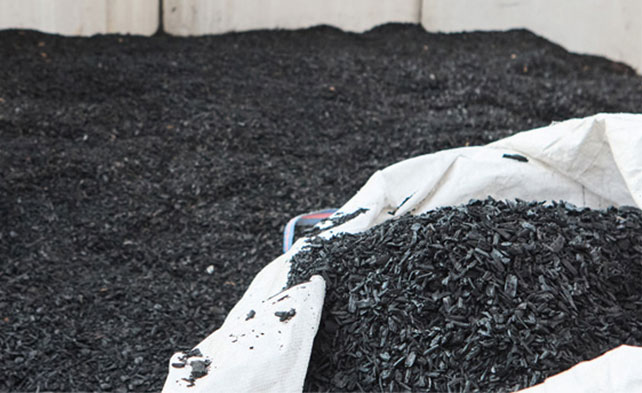
Coconut shell Char
Máquina para hacer carbón
Coal Making Process
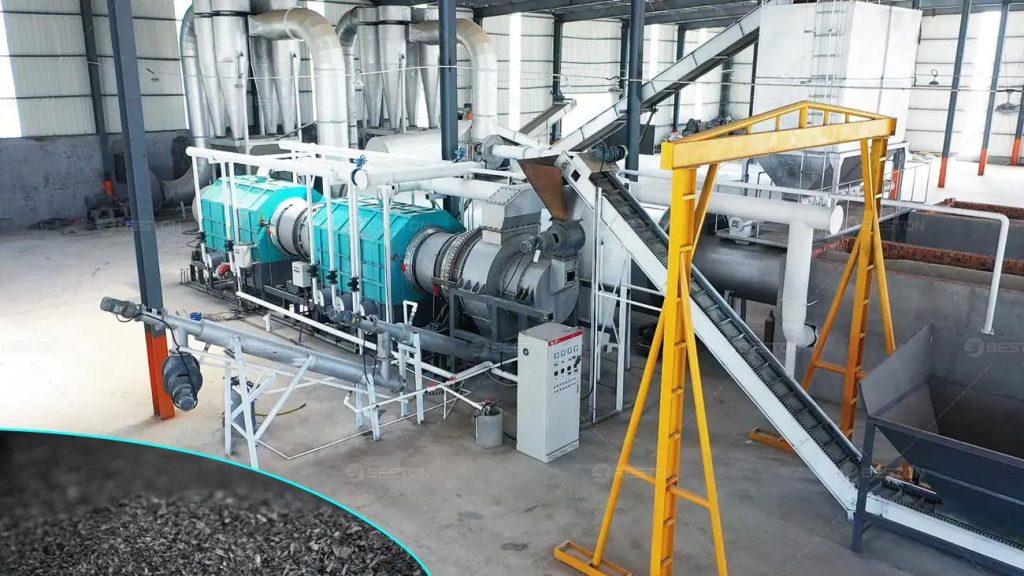
• The shells of the coconuts are first broken down into more manageable pieces (with a diameter that does not exceed 20mm).
• A conveyor then transports the shredded shells into a quantitive-feeder where the coconut shells are then conveyed into the drying host.
• Once inside the drying host, the shells undergo a process of drying and flash steaming to remove as much moisture as possible. The materials are then fed into a carbonization furnace, located just below the drying host.
• The carbonization furnace then heats up to a specific temperature, which brings about a method known as pyrolysis and decomposition.
Through these steps, the waste coconut shells undergo a process of carbonization(maquina para hacer carbon), where they are changed into charcoal. The next step involves a process of cleaning and desulfurization, resulting in clean charcoal products ready for distribution or sale.
The Features Of Coconut Shell Charcoal Making Machinery
The charcoal-making machinery offers premium working efficiency. Here are some of the main features relating to these machines:
– Unique Structure
Charcoal-manufacturing machinery (máquina de reciclaje)adopts what is known as a double-layer structure. The portion at the top includes the drying host, with a carbonization furnace at the bottom. This approach assists with lower-energy consumption that saves space. These machines are also available with an option to include a gasifier. This is a feature that further enhances the overall efficiency of carbonization and pyrolysis, which produces combustible gas.
With the use of a gasifier, the combustible gas gets sent by the cyclone-dust collector. This is where the gas will be de-dusted. From here, the gas decomposes into wood tar and vinegar. These materials are then used as a source of fuel in order to provide heat to the furnace.
Planta de carbonización
– Advanced Heating Method
Coconut shell charcoal-making machinery employs the One Fire Two-Step heating protocol. This method works well with the double-layered structures featured in carbonization plants. As soon as the furnace reaches the desired temperature, there is still residual heat generated through the rest of the process of heating. The residual heat will then be used as a heat source for the drying host. This results in dramatic savings in relation to the fuel that is used to operate this machinery.
– Safe Operation
These carbonization machines(https://www.bestoneco.com/hornos-metalicos-para-hacer-carbon/) also include what is known as a central control system. This system ensures that the operator of the machine is separate from the furnace, which promotes security and safety for the workers that operate the machine.
These machines also feature durable casings that protect employees from the dangers of burns caused by the high temperature that these furnaces reach.
– Environmentally-Friendly
The latest charcoal-making machinery that uses biomass as a source is recognized as “green-recycling plants” that do not produce pollution. The machines use sealed feeding and discharging features that ensure that no pollution escapes. Combustible gas that is generated in the machine undergoes a process of desulfurization, which also means that no hazardous gas is released into the atmosphere.
Charcoal has been employed for an extended period as a source of fuel. The common raw material was wood until investors discovered other vital sources. One of the most commonly used includes coconut shell. It might appear like a waste product, but operators have managed to deliver far much quality output for local and industrial purposes by employing the relevant machine. Furthermore, utilizing this item results in the recycling of waste products that would initially lead to pollution. The coconut shell charcoal making machine can efficiently undertake two processes, drying and carbonizing. These are two vital stages of the production process. The approach is smokeless hence zero pollution. Below is the detailed procedure.
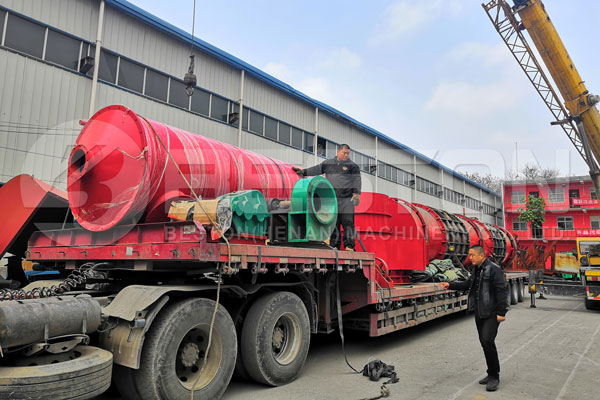
Charcoal Making Machine Shipped to Cameroon
The coconut shell charcoal machines comprise different parts, all undertaking varying tasks. The first part of production is preheating. Upon disposal, coconut shells retain unnecessary moisture content. The preheating stage ensures it eliminates the unwanted water to the required temperature. The section responsible for this work is the furnace. It works under high temperatures. The operator must feed the items into the chamber for sufficient drying and, consequently, charring. The heat is high hence a need for safety measures. The temperatures will continuously rise until they reach the required mark. Take a view of charcoal manufacturing equipment.
Once the heat is high, the coconut shells begin pyrolyzing. The process results in the formation of gas, also known as flue gas. The gaseous products escape through a designated place for further purification. The flue gas purification device eliminates any impurities like sulfur that are toxic when released into the atmosphere. Upon purification, it gets directed to the self-contained burning section for further and thorough heating and carbonizing.
Upon heating, the coconut shells make the flue gas and ash. The end products get thoroughly sieved to eliminate any unwanted material. The ash could jeopardize the quality of the end product. The long-term goal is to form briquettes with an ash content of below 2.5%. The powder further goes through processing to ensure it has a similar consistency. It gets mixed with a 4% natural binder, for instance, tapioca starch, for uniform binding. The starch provides the briquettes do not disintegrate during the pressing and transportation. Get the palm shell charcoal machine now.
The machine works with the aid of a pressing briquette system. It can either have an automatic or manual slicing or molding system, depending on your preferences, while the shape relies on your needs and customer preferences. The coconut shell charcoal can either provide heat for leisure, industrial or household purposes. The most common examples include shisha and barbeque needs.
Coconut Shell Charcoal Making Machine Shipped to Spain
A suitable coconut shell charcoal requires at least a 40 ft container. The size can suitably serve in large-scale settings hence production or a large output. It is imperative to invest in safety measures since the carbonizing furnace works under high temperatures. Take a view at this page https://bestonmachinery.com/carbonization-machine/. Furthermore, there must be equipment to suck any air that might escape into the atmosphere to prevent any form of pollution. As seen above, the coconut shell charcoal machine is a superior machine that recycles waste to form quality products. The method is safe and also sustainable.
Charcoal manufacturing plant has been designed with the capability of producing biochar with limited oxygen. Biochar is mainly used in an effort to increase the coil conditions in farming areas. It essentially increases and enhances the productivity of the soil. Hence, farmers all around the globe are making use of it. The charcoal manufacturing machine is a great device for recycling them.
With its extended use all around the globe, charcoal machines are being shipped all around the globe. They are already in operation in Spain, Turkey, Ukraine, Australia, Ghana, and Malaysia. So if you’re interested in making an investment today, then the charcoal plant is ideal.
If you didn’t already know, biochar is simply charred biomass that is created from agricultural and natural resources. These include but are not limited to bagasse, straw from rice, the hulls from rice, shells from both palms and coconut, corn stovers and many others. Such raw materials exist in abundance all around the world and can be easily acquired. Use coconut charcoal making machine to recycle these waste.
When biochar is made, they create a number of benefits for those who are involved in the process. As we’ve mentioned before, they improve the quality of the soil found in agriculture developments. It is used as a form of fertilizer that is added and it rehabilitates and restores heavily farmed lands. Hence the overall fertility is improved and the quality produced is better.
Biochar has also been known to significantly reduce both fertilizer and irrigation costs. It is essential for preserving the nutrients as well as the water quality of the soil. Hence, farmers spend less of these.
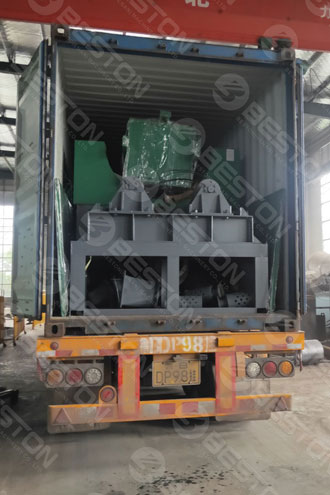
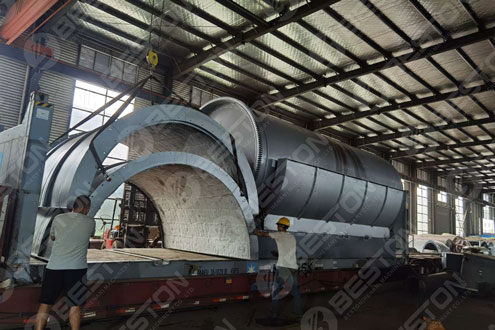
Fast Shipment of Charcoal Making Machine – Beston Guarantee
Biochar aids with a solution for greenhouse gases. It effectively captures and eliminates any greenhouse gas found within the atmosphere. Without this, such gases would typically stay trapped in the soil for eternity. Biochar is responsible for creating a healthier environment with fresh air.
Before sewage sludge pyrolysis machine was designed and created, there was a traditional method of creating it. This product dates back to thousands of years ago and new and improved technology has allowed the mass production of it. New technology continues to advance within the biochar production industry.
Investors are widely investing in these plants in an effort to create more biochar because of the many benefits. Biochar is produced when extremely high temperatures are utilized within the furnace. As we’ve mentioned before, several materials are easily processed and you can expect to get the highest product from these plants.
The charcoal making machine meets the highest industrial and environmental standards while producing purified biochar. With these plants, biochar can be easily mass-produced to meet the demands of society.
As we conclude, we have just looked at the carbonization equipment (https://bestonmachinery.com/carbonization-machine/) and we have also looked at the many benefits that come from it. Leading manufacturers have done a great job in the production of these machines since they meet and exceed the standards around the world. So if you’re interested in purchasing a charcoal manufacturing plant, be sure to have your specs on hand as you discuss your options with a sales rep from a reputable company.
Charcoal manufacturing plant typically refers to converting biomass into charcoal through the process of pyrolyzing under oxygen-free atmosphere and extreme temperatures. Generally, it’s an ideal way to make high profits while achieving resource utilization.
Do you have a promising business idea in mind? The charcoal manufacturing plant will be a worthwhile investment. So, what can you use to make charcoal?
Charcoal Making Machine
– Biomass. It includes things like sugarcane bagasse, peanut shell, olive shell, sawdust, palm shell, coconut shell, rice husk, bamboo, wood, etc.
– Sorted MSW
– Sewage Sludge
What Are the Charcoal Manufacturing Plant’s Final Products?
1. Charcoal. In daily life, it’s useful as fuel in BBQ and other areas. For industrial applications, it’s useful for construction bricks with clay. You can further process it into activated carbon. It’s also useful as fuel in various industries such as ceramics, iron and steel factories. For agricultural purposes, it improves soil quality.
2. Biogas. It’s useful as fuel in daily life. Greenhouse agricultural heating requires biogas. For industrial purposes, it can be useful as fuel, for burning, or for a generator to produce electricity.
3. Wood, tar, and vinegar. They’re useful for plant nutrition, which regulates insecticide or auxin. They’re also excellent materials in the paint industry and shipbuilding. In the chemical and medicine field, they are beneficial raw materials. If you want more details about the biochar production equipment, please check the link here: https://wasterecyclingplant.com/biochar-making-machine/.
What Are the Features of the Charcoal Manufacturing Plant for Sale?
1. Low operating cost and high thermal efficiency. The charcoal making machine adopts the working principle of combining carbonization furnace and dryer for charcoal. It heats the dryer using the gas produced in the carbonization machine, to allow the utilization rate to exceed 90%. The whole system adopts a continuous operation pattern and a strict insulation pattern, which ultimately reduces heat loss and the operating cost indirectly.
2. Pollution-free. Typically, the charcoal manufacturing plant is a fundamental component when it comes to biomass energy sustainable development and utilization system. Through indirect cooling, the cooling system will produce no pollutant emissions.
3. The high caloric value of gas. Compared to ordinary straw gas, the caloric value of gas is roughly three times. As a result, it enhances the working efficiency and saves much cost for investors.
4. High market profits. In the market today, the prices of wood vinegar, tar, and biomass charcoal are relatively high. With the biomass pyrolysis plant, therefore, there are so many ways you could earn an income.
Biomass Carbonization Plant in Ukraine
5. Continuous working pattern. There’s an automatic assembly line for the charcoal carbonization furnace. That means that one side deals with the feeding of raw materials, while the other deals with the discharging of charcoal powder. As a result, it can fully utilize fuel resources and significantly improve working efficiency.
6. Cheap but abundant raw materials. Typically, the charcoal manufacturing machine can dispose of a variety of materials, such as sewage sludge, edible fungus waste, coffee grounds, sugarcane bagasse, sunflower hull, straw, coconut shell, palm shell, wood chips charcoal making machine, sawdust, rice husk, etc. All these materials are common and come cheap in our ordinary lives.