Biochar has become a cornerstone material in agriculture, environmental management, and renewable energy applications. The type of biomass used is a critical factor in determining the efficiency and quality of biochar. Among various feedstocks, hard-shelled biomass such as palm kernels and coconut shells stands out as particularly suitable. Their physical characteristics and chemical stability ensure superior carbonization, operational efficiency, and long-term performance.
Consistent Carbonization and Product Quality
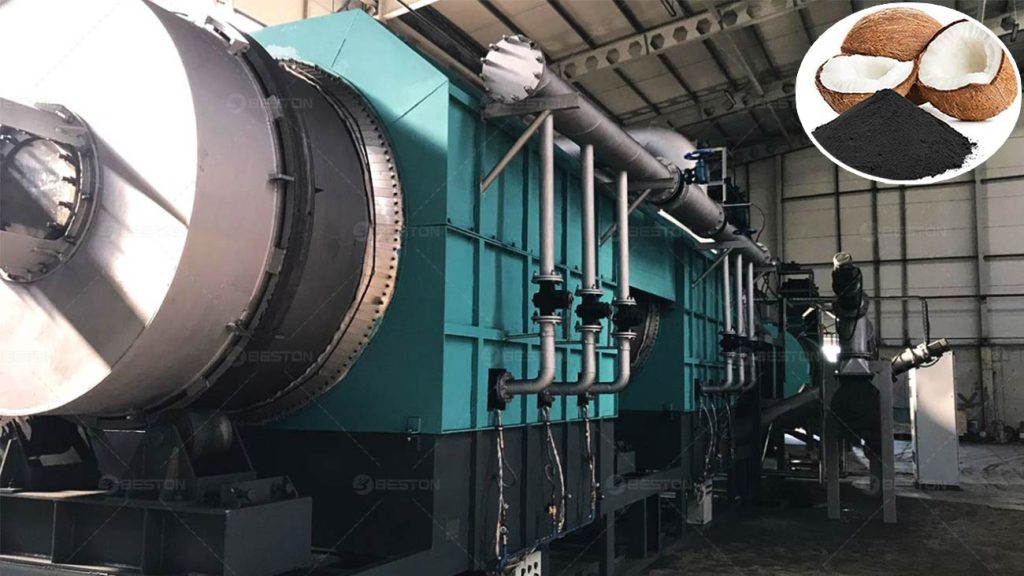
Hard-shelled biomass possesses a dense and resilient structure that allows heat to penetrate evenly during the pyrolysis process. This ensures uniform carbonization, resulting in biochar with consistent chemical composition and structural integrity. Using specialized equipment like a palm kernel shell charcoal machine or a coconut charcoal machine allows operators to achieve high-quality biochar production while maintaining efficient operation.
Low Dust Generation for Equipment Safety
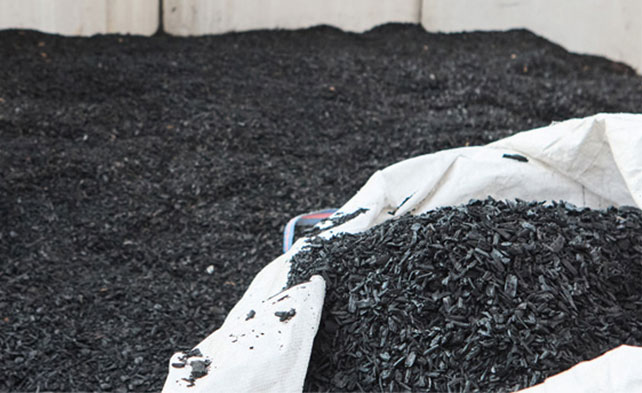
One significant advantage of hard-shelled biomass is its minimal dust generation. Low dust production ensures that the feedstock does not block equipment or pipelines, preventing operational interruptions and reducing maintenance needs. When processed in modern biochar pyrolysis equipment, the biomass flows smoothly, ensuring a safer and cleaner working environment while consistently producing high-quality biochar.
Excellent Feedstock Flowability
Hard-shelled biomass also exhibits excellent flowability, allowing continuous feeding without clogging or interruptions. This property is crucial for industrial-scale operations, where large quantities of biomass must be processed efficiently. Plants designed by reliable companies utilize advanced feeding systems that leverage this flowability, ensuring steady operation and optimized biochar production.
High Energy Content and Carbon Yield
Dense hard-shelled biomass has a higher calorific value compared to softer feedstocks. This means that during pyrolysis, the material releases more energy, which not only contributes to carbonization but also produces combustible gases that can be reused within the plant. Using a palm kernel shell charcoal machine or a coconut charcoal machine, operators can maximize both biochar yield and energy recovery, improving overall economic efficiency.
Environmental and Agricultural Benefits
Biochar produced from hard-shelled biomass exhibits high porosity and surface area, making it highly effective in water retention and nutrient storage when applied to soil. Additionally, it contributes to carbon sequestration, helping mitigate greenhouse gas emissions. Consistent carbonization ensures that biochar produced in biochar pyrolysis equipment is reliable for agricultural, horticultural, and environmental applications.
Scalability for Industrial Applications
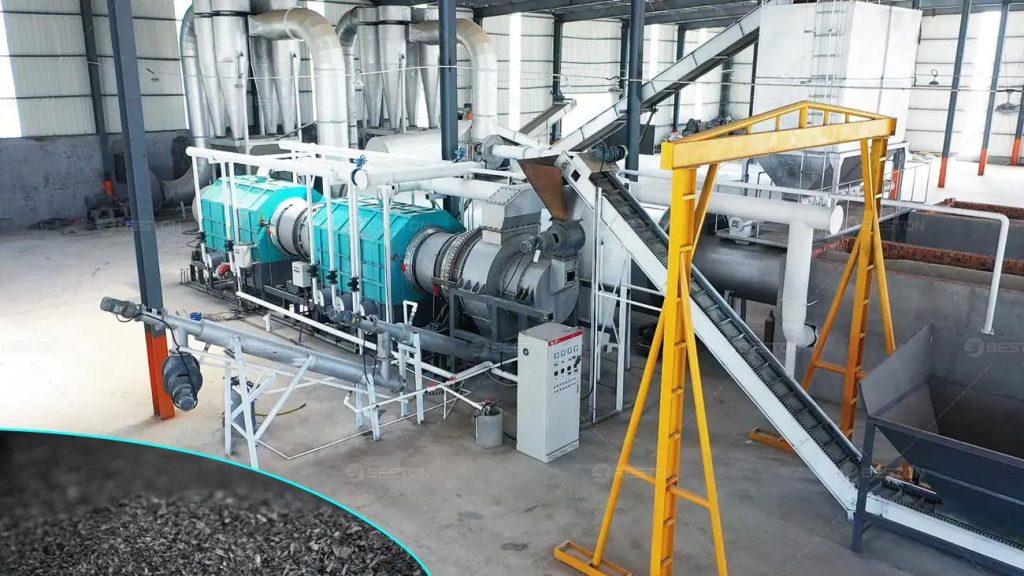
Due to its durability and uniformity, hard-shelled biomass is ideal for industrial-scale biochar production. Advanced equipment like palm kernel shell charcoal machine and coconut charcoal machine enables continuous, high-volume processing while maintaining product quality. Companies like Beston Group provide integrated solutions that handle feedstock management, pyrolysis, and product collection efficiently, allowing operators to achieve optimal performance and profitability.
Future Outlook of Hard-Shelled Biomass
As demand for sustainable and renewable materials grows, hard-shelled biomass is increasingly recognized as a premium feedstock for biochar production. Its combination of uniform carbonization, low dust generation, and good flowability makes it ideal for modern pyrolysis plants. Future developments in biochar pyrolysis equipment are expected to further enhance operational efficiency, energy recovery, and product consistency, solidifying hard-shelled biomass as a preferred choice for industrial biochar production.
Conclusion
Hard-shelled biomass offers unmatched advantages for biochar production. Its dense structure, low dust generation, excellent flowability, and high energy content ensure consistent, high-quality output. Utilizing advanced equipment like palm kernel shell/coconut charcoal machine enables operators to optimize production efficiency, environmental benefits, and economic returns. As biochar continues to gain importance in agriculture and sustainability, hard-shelled biomass remains the ideal feedstock for industrial-scale production.