The global push toward sustainable agriculture and renewable energy has created significant opportunities for innovative investors. Among these opportunities, biochar production has emerged as a promising sector that not only supports environmental goals but also provides potential long-term economic benefits. Understanding the process, technology, and market dynamics of biochar is crucial for anyone considering an investment in this growing industry.
Understanding the Biochar Market
Biochar is a carbon-rich material produced through the pyrolysis of biomass. Its applications range from soil enhancement to carbon sequestration, making it highly relevant in both agriculture and environmental management. As demand for eco-friendly agricultural practices grows, the market for biochar continues to expand, creating fertile ground for investors seeking sustainable opportunities.

Technology Behind Biochar Production
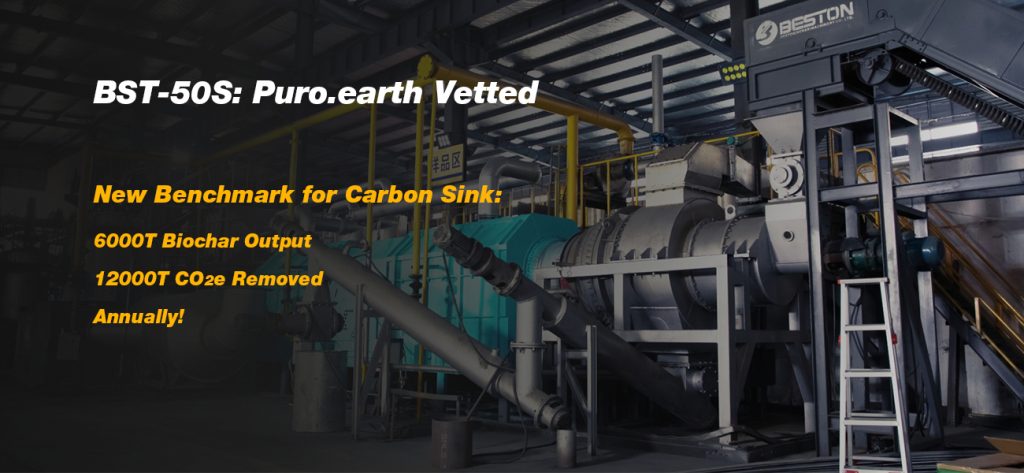
The production of biochar relies on advanced equipment that ensures efficiency, quality, and safety. Modern facilities often utilize a biochar production equipment for sale, which allows for continuous operation and optimized carbon yield. Choosing reliable technology is critical, as it directly affects the overall output, consistency, and profitability of the project.
Key Considerations for Investment
When planning a biochar production project, investors should evaluate several important factors. These include the availability and type of biomass feedstock, regulatory compliance, energy consumption, and potential revenue streams. For example, a biomass pyrolysis plant for sale can provide flexibility in processing different organic materials, offering diverse income sources beyond biochar alone.
Economic Benefits and Revenue Streams
Investing in biochar production can generate multiple revenue streams. Aside from selling high-quality biochar for agricultural use, byproducts such as syngas and bio-oil can be harnessed for energy production or industrial applications. Additionally, biochar projects may qualify for environmental incentives, carbon credits, or other sustainability-related funding, further enhancing potential returns.
Equipment Selection and Operational Efficiency
Choosing the right machinery is essential for a successful biochar venture. Factors to consider include processing capacity, automation features, and energy efficiency. Prospective investors often research charcoal making machine price to compare equipment capabilities and ensure the chosen setup aligns with production goals. Reliable suppliers and after-sales support are also crucial to maintain consistent operation and minimize downtime.
Choosing a Trusted Partner
Partnerships with reputable suppliers can make a significant difference in the long-term success of a biochar production project. Companies with proven experience in pyrolysis technology can provide guidance on installation, operation, and maintenance. Learning more about Beston Group and their track record may help investors make informed decisions and reduce potential risks associated with new technology adoption.
Future Prospects of Biochar Production
The outlook for biochar production is highly promising. With growing awareness of climate change, soil degradation, and sustainable farming practices, the demand for biochar is expected to increase steadily. Investors who enter the market early may benefit from both the environmental impact and economic advantages of scaling production efficiently.
In conclusion, biochar production offers a unique intersection of sustainability and profitability. By carefully evaluating technology, equipment, and market conditions, investors can create projects that not only generate financial returns but also contribute positively to environmental and agricultural development. Strategic investment in this sector can help support a greener future while opening new avenues for growth and innovation.